
We apply the philosophy of Buen Vivir on our trade scheme by making sure that the harmony between the three pillars is respected: Human Being, Community and Mother Nature.
Mother Nature
The full goal of our farming practices is to promote agrobiodiversity by promoting an agricultural produce that not only respects but also enhances the ecological processes in our ecosystem. On top of having dedicated 25% of the total farm to the conservation of a native forest, including a natural spring, we also apply ancestral farming techniques that include the use of forest microorganisms for the fermentation of coffee.:
1.Use of M&M or Microorganisms of the forest in our coffee

2. Conservation of biodiversity and natural resources


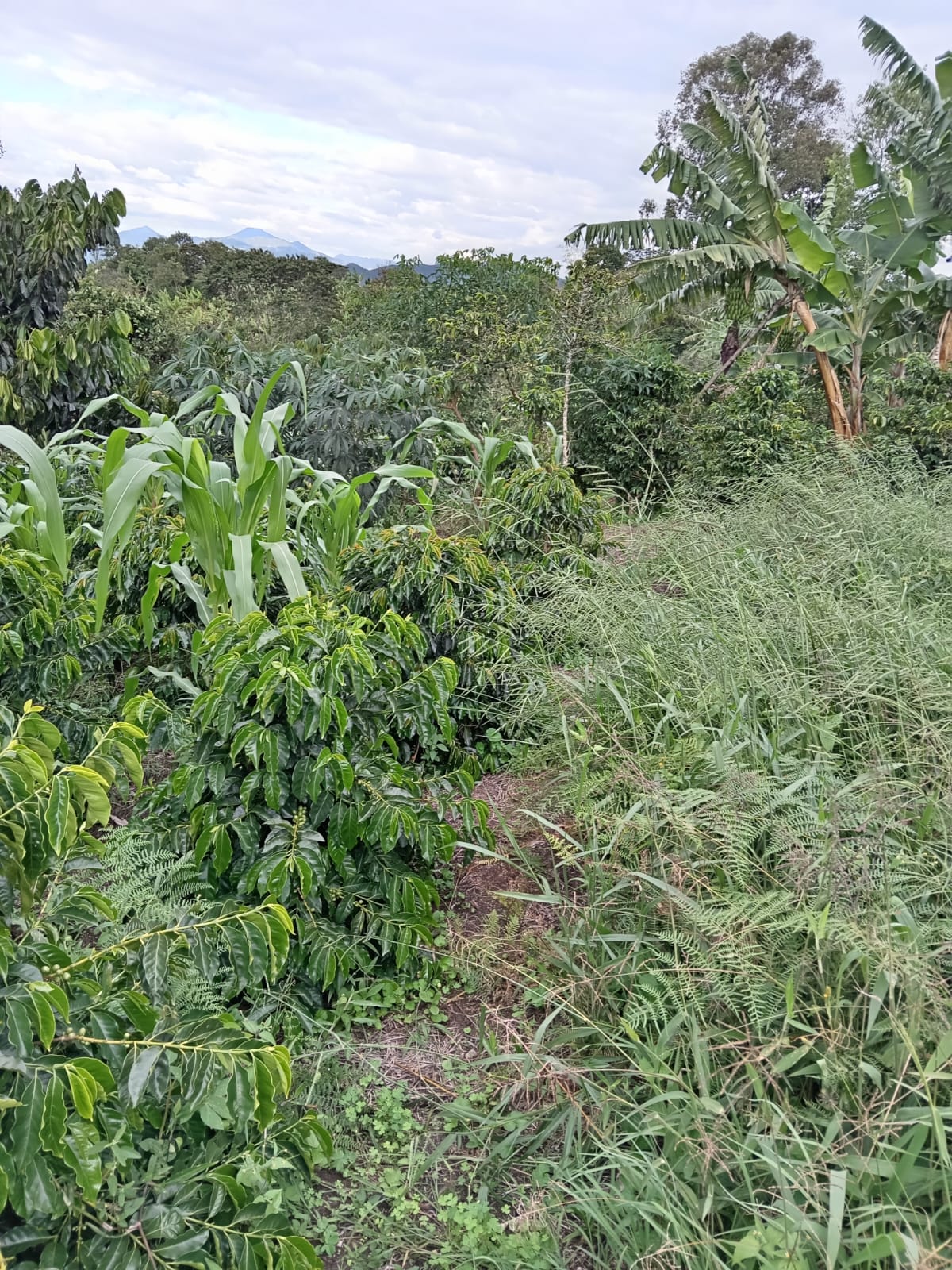
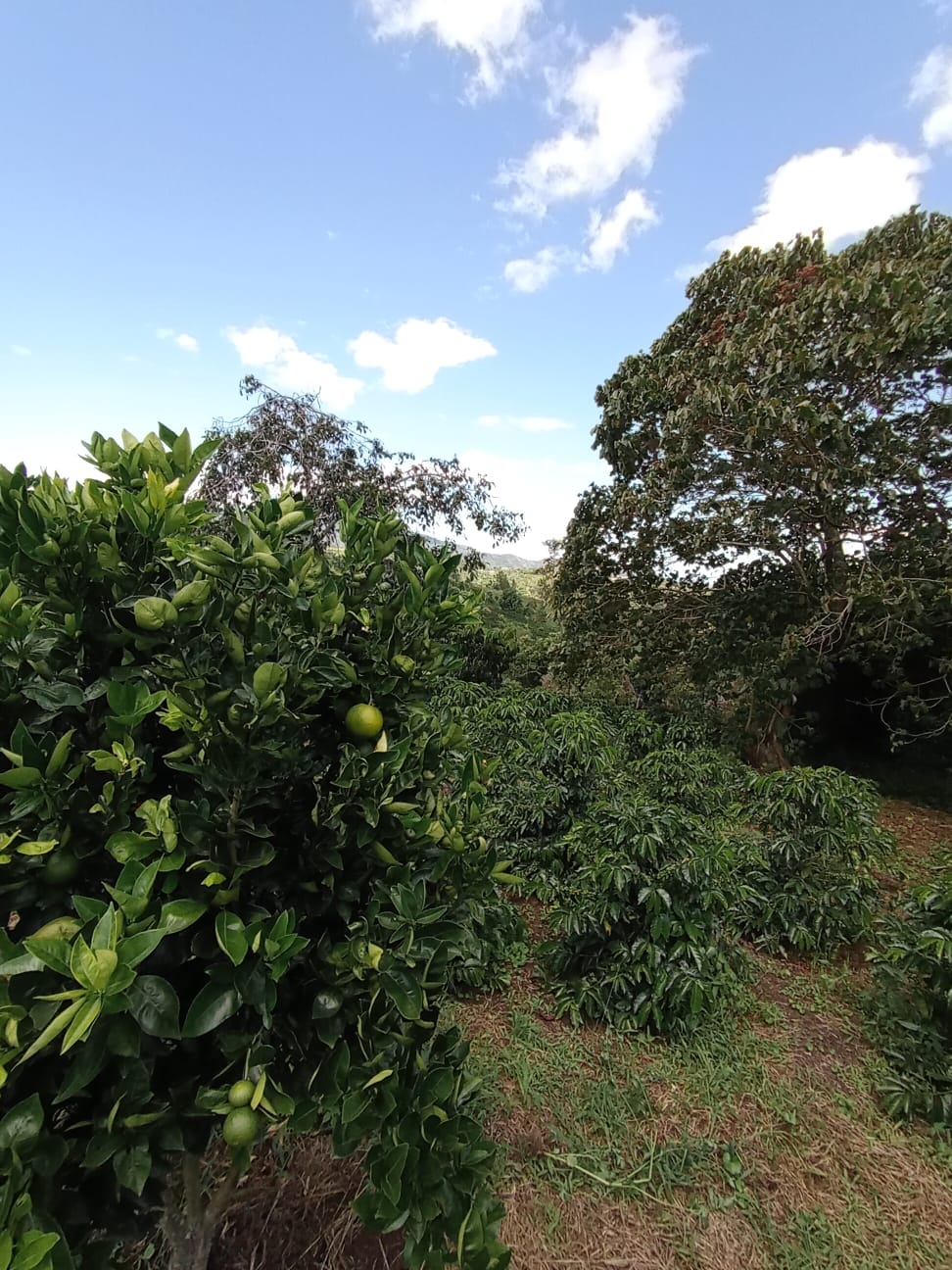
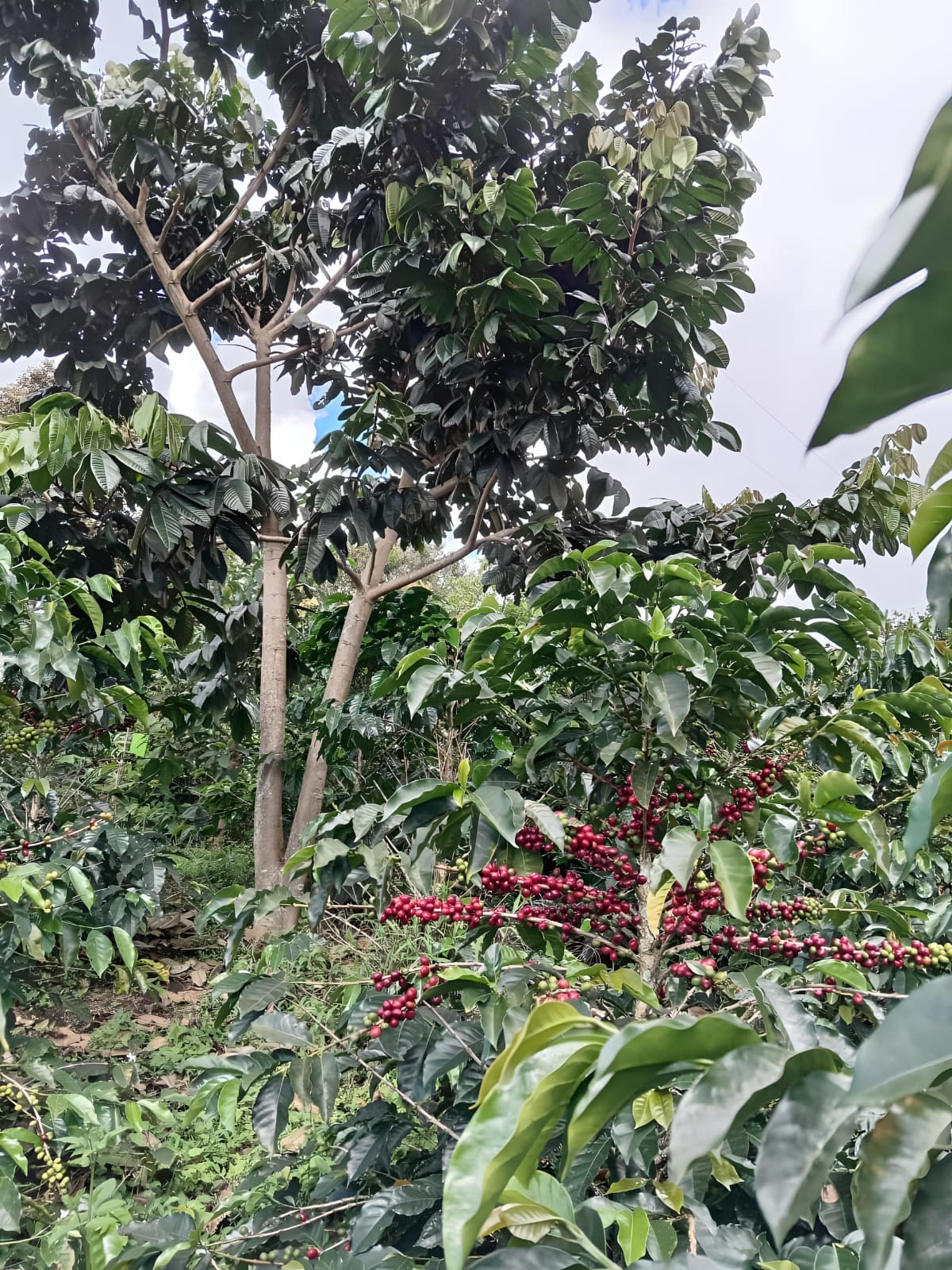

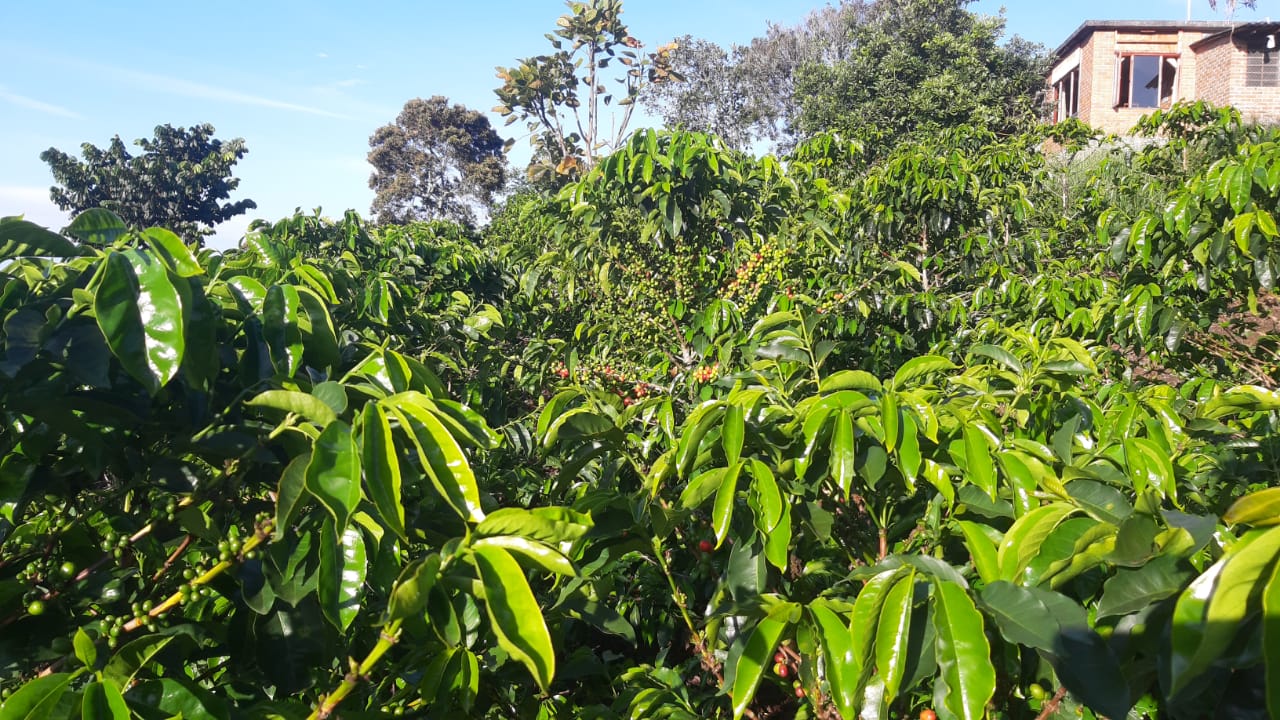
Our farming techniques are based on an agroecology focus, which is in turn based on ancestral farming techniques that aim to avoid monocrops and promote the genetic biodiversity of the agroecosystem. Because of this, we have sown several other varieties and species, including plantane, corn, yacón, orange, lime, wild raspberry, blackberry, cassava, physalis, guama and several herbal plants.
The Human Being

The development of the Human Being requires an understanding of each person’s worldview, that is, their very own physical, emotional, intellectual and spiritual needs, desires, and dreams. A source of income can be important, but it is not everything for the happiness of our people. Many other things such as belonging to a community, being recognized as a human being, maintaining a connection with nature, helping a loving family, or building a new system to protect nature, can be way more important than what we consider in the Global North, as requirements for a person to be “happy” or live a good life. Below you will find two excerpts from interviews we held with two farmers of south-western Colombia that explain the view of our territory:
“… I think it would be good to teach good living with young people. A boy’s conception of the city is that the countryside is for poor people, since the one who did not have another chance is the one who is in the countryside. That is the famous generational change. I have two girls, the older one is more enthusiastic about the topic of coffee. She has become a barista and cupping specialist. My other daughter, who is 15 years old, has been offered the possibility of going to the United States as soon as she graduates from college. But I have told her that here she can work, do her things without having to depend on someone else, here. That is what we must tell the children, so that they are the ones who sow (in the future). For example, many people from the countryside go to construction in the city for low pay and exploitative hours. Whereas if one hectare is cultivated, you earn twice as much and work half or a third of that.” – Nilson López
“(For me), Buen Vivir is about living around the environment, with nature, while recovering all those native and creole seeds that have been lost. It is working not only for people, so that they are healthy and eat healthy, but also for the family. And for the earth, which is a living being, that sometimes human beings have destroyed but that fortunately by acquiring this knowledge we are saving it. One sees this destruction in the daily life: in the plants, in the eyes of the animals, and especially in wild birds that are becoming due to agrochemicals. So, this struggle motivates us to be a health ecosystem on our own.” – Silvia Gómez
The Community
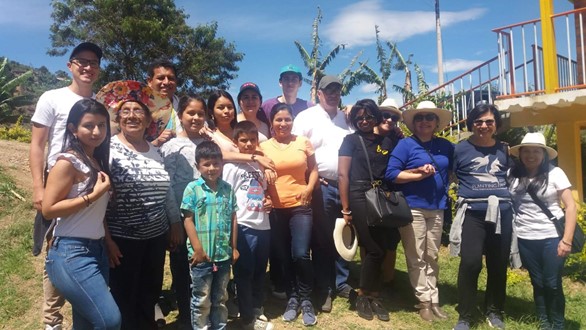

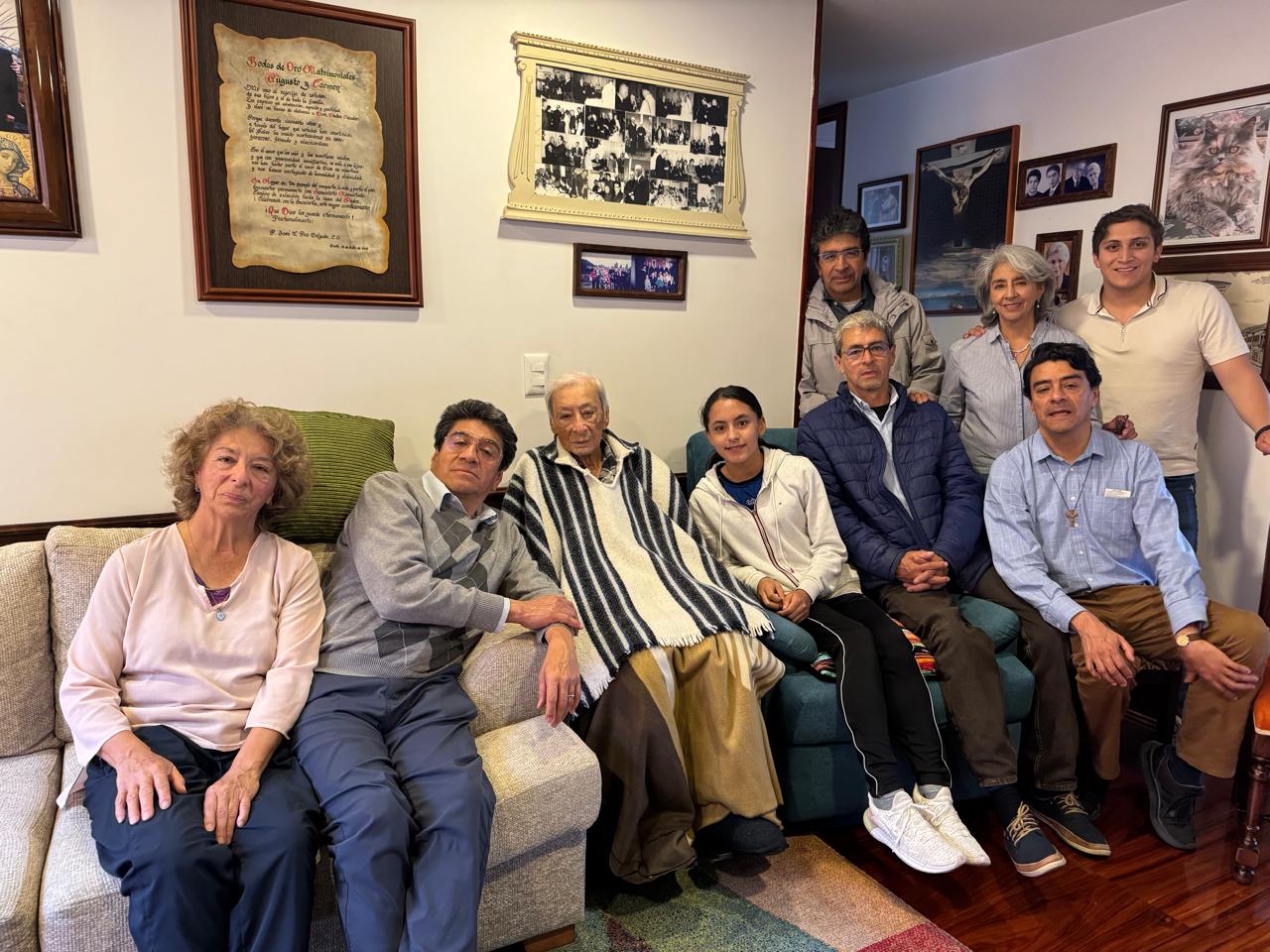
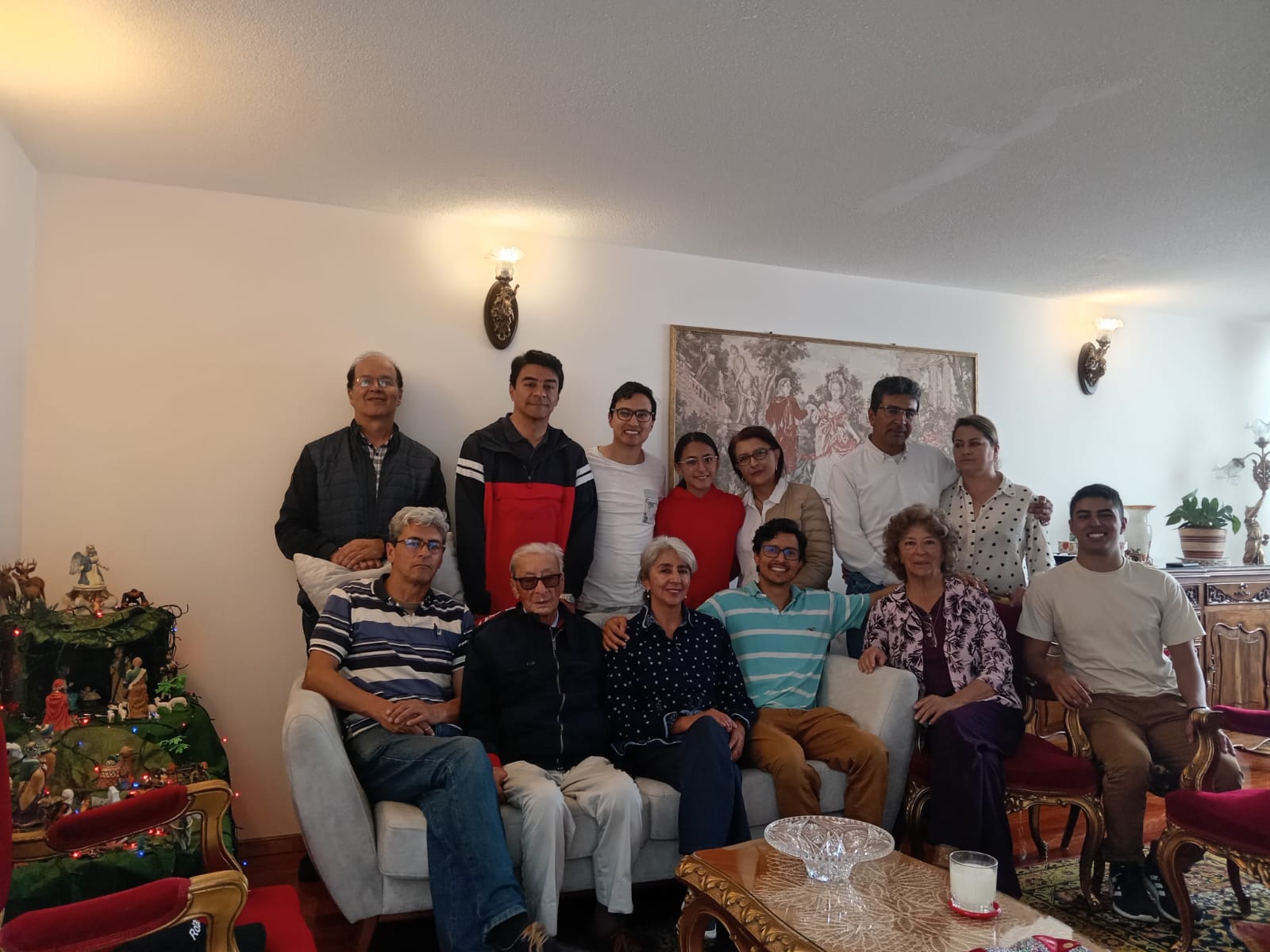
The sense of community in Nariño’s countryside resembles that of a utopian society. In Nariño, people still believe in the word of a person, which is sacred. If one knocks at the door of a farmer and asks for a place to sleep, one will always be welcome with open arms. The level of interconnection between many farmers transcends the mental and the bodily spheres, leading on to what can be called a spiritual connection.
Given such a strong community feeling, we have applied indigenous research methodologies, in order to understand the level of interconnectedness that the farmers have and how we can learn from them. So far, we have applied a conversational method and a sharing circles methodology, in order to collectively retrieve what the ideal of a good life is in Nariño, and how can contribute to it with our efforts to our neighboring communities.
 Cafe Sarralde